Material Handling

Frequently Asked Questions

What is the best Euro steel pallet for exporting goods from India to Europe?

For export to Europe, pallets must comply with EPAL (European Pallet Association) standards to be accepted into the EU pallet exchange network. Key requirements:

  • EPAL-certified manufacturer — not just ISO certified
  • Correct Euro pallet dimensions — 1200mm x 800mm standard
  • Steel construction for durability and dimensional stability across multiple trips
  • Stackable design for efficient container loading
How to store large volumes of tyres safely in an automated warehouse?

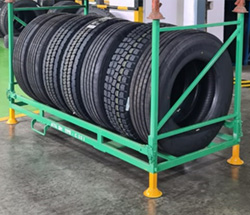
Safe high-volume tyre storage in automated warehouses requires:

  • ASRS-compatible tyre pallets with precise dimensional tolerances
  • Steel construction — wood warps and loses accuracy over time
  • Cradle or frame design to prevent tyres rolling or shifting
  • Custom sizing to match your crane interface and conveyor rail specs
  • Separate pallet designs for finished tyres, raw tyres, and carbon black
How to package automobile stamped parts safely for domestic and export supply chains?

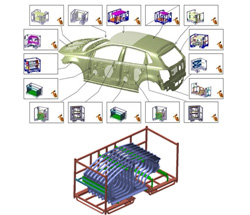
Stamped body panels and press shop components are vulnerable to surface scratches and deformation during transit. Best practices:

  • Use stamping pallets with integrated PU foam, rubber, or HDPE lining
  • Choose RSR format for domestic OEM supply — lower cost per trip over time
  • Choose ESR format for international export — lighter, one-way design
  • Ensure rack dimensions match the specific stamped part geometry
What is the most cost-effective way to transport motorcycles for international export?

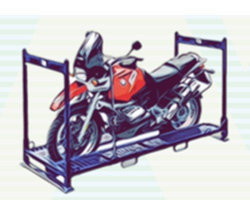
The biggest cost driver in two-wheeler export is container utilisation — every wasted cm³ is wasted money. To reduce cost per unit:

  • Use purpose-engineered two-wheeler crates — not generic wooden boxes
  • Choose designs that allow angled or tiered bike placement per container
  • Opt for ESR (one-way) format to avoid return freight costs
  • Work with manufacturers experienced in OEM export container planning
How to safely store and transport automotive glass without breakage?

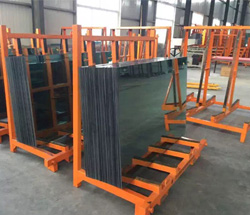
Automotive glass — windscreens, side glass, and solar panels — is high-value and extremely fragile. Best practices for safe storage and transport:

  • Use A-frame pallets for upright glass storage — prevents flex and breakage
  • Use flat glass pallets with cushioned dividers for horizontal stacking
  • Ensure pallet height fits standard container clearance
  • For solar glass, choose pallets designed for larger panel dimensions
Does Mekins manufacture wire-mesh containers for the beverage and automobile industry?

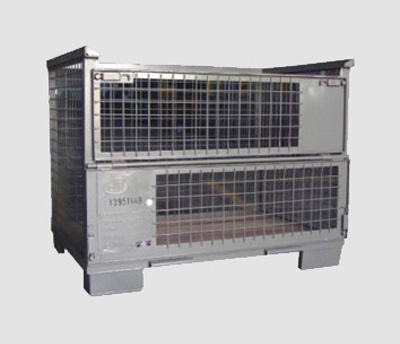
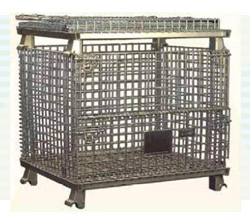
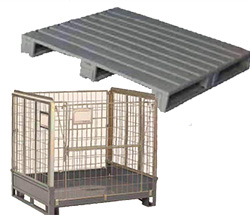
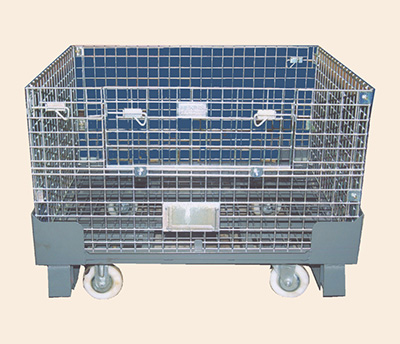
Yes. Mekins manufactures foldable and non-foldable wire-mesh pallets and containers for:

  • Beverage industry — PET preform storage in wire-mesh Gaylords
  • Automotive press shops — stamped parts handling with open visibility
  • General warehousing — where airflow and inventory inspection are priorities

Mekins' foldable design collapses to approximately 30% of loaded volume, significantly reducing return freight costs.

Does Mekins supply retention cages, stack racks, and transport equipment alongside pallets?

Yes. Mekins' material handling range extends beyond pallets to include:

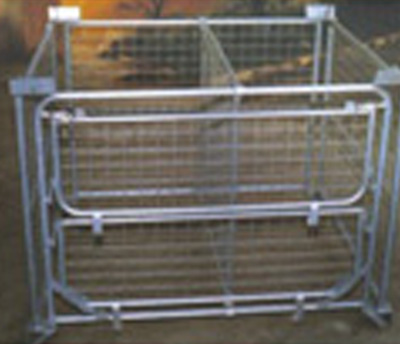
  • Retention cages — for securing loads during transport
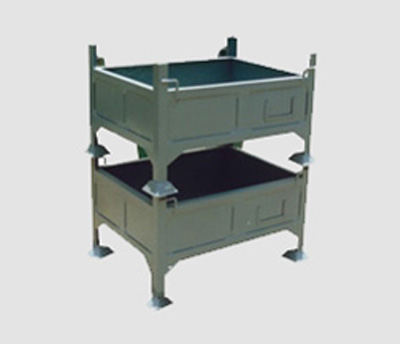
  • Stack racks — for vertical space utilisation in warehouses
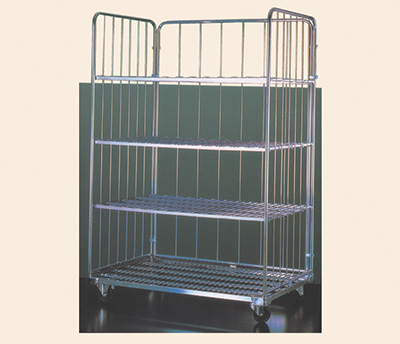
  • Plain pallets and roll cages — for fast stock movement in DCs and e-commerce operations
  • Transport and warehouse equipment — tailored to client-specific logistics requirements

Contact Mekins at mekins@mekins.com for product specifications and quotes.


Enquiry Now